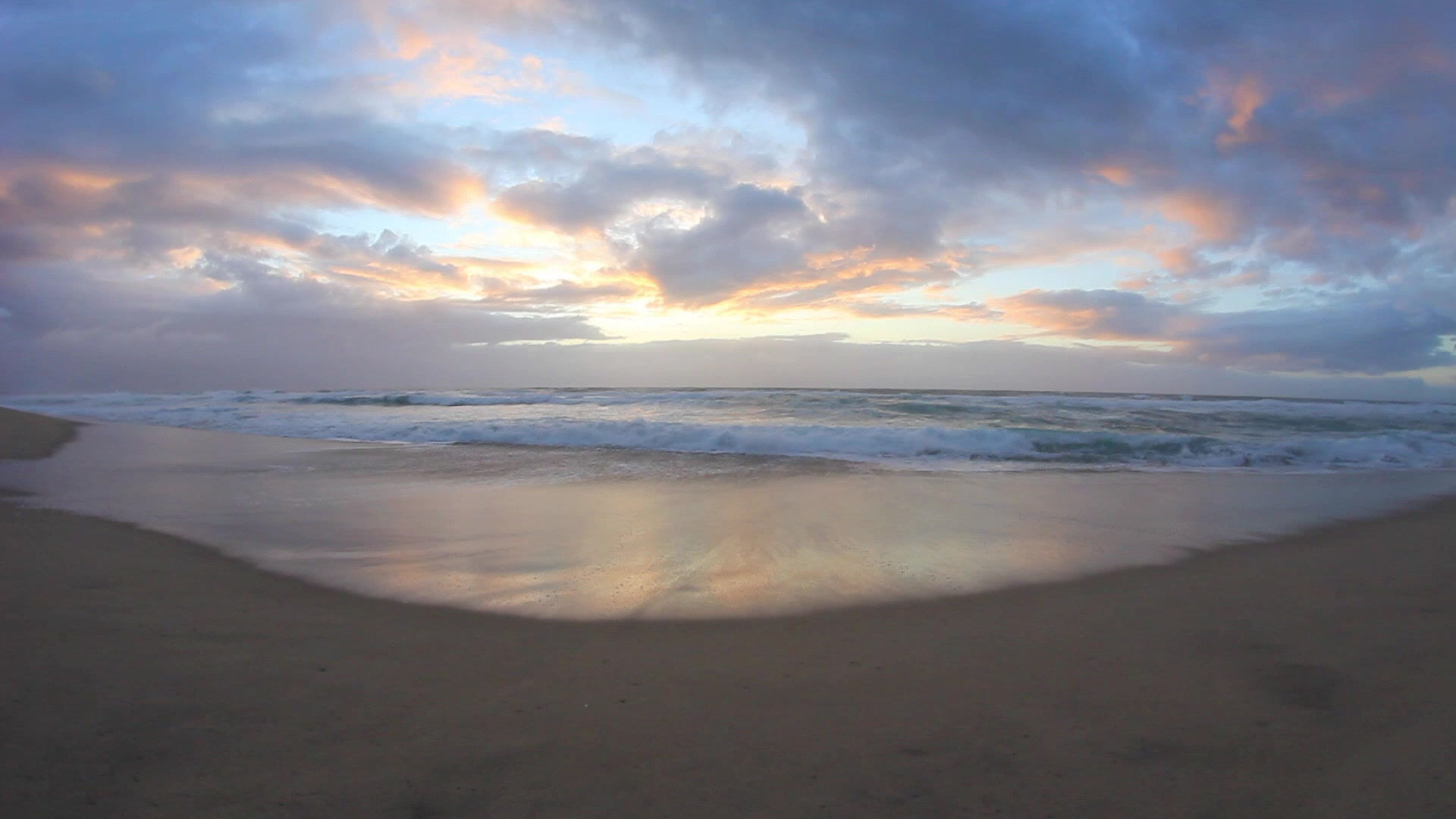


Mastering Travel Photography TipsTechniques
- Fred Sacroug
- Nov 3, 2025
- 4 min read
Travel photography is an art that combines the excitement of exploring new places with the skill of capturing moments that tell a story. Whether you are wandering through bustling city streets or serene rural landscapes, mastering the right techniques can elevate your photos from ordinary snapshots to captivating images. This guide will walk you through essential tips and practical advice to help you improve your travel photography skills and create memorable visual stories.
Essential Travel Photography Tips for Every Explorer
When you set out on your journey, having a few key travel photography tips in mind can make a huge difference. Here are some foundational techniques to keep in mind:
Plan Your Shots: Research your destination beforehand. Look for iconic landmarks, hidden gems, and the best times for natural light.
Use Natural Light: Early morning and late afternoon provide soft, warm light that enhances colours and textures.
Keep Your Gear Simple: A lightweight camera and a versatile lens (like a 24-70mm) are ideal for most travel situations.
Shoot in RAW: This format preserves more detail and allows for better editing flexibility.
Be Patient and Observant: Sometimes the best shots come from waiting for the right moment or noticing small details others might miss.
By applying these tips, you can capture the essence of your travels with clarity and creativity.

Composition Techniques to Enhance Your Travel Photos
Great composition is the backbone of compelling photography. Here are some techniques to help you frame your shots effectively:
Rule of Thirds
Divide your frame into a 3x3 grid and place key elements along the lines or intersections. This creates balance and draws the viewer’s eye naturally.
Leading Lines
Use roads, rivers, fences, or architectural features to guide the viewer’s gaze through the image.
Framing
Look for natural frames like archways, windows, or tree branches to add depth and context.
Symmetry and Patterns
Symmetrical scenes and repeating patterns can create visually striking images.
Negative Space
Leaving empty space around your subject can emphasize it and create a minimalist feel.
Experiment with these techniques to find what works best for each scene. Remember, breaking the rules can also lead to unique and creative results.
Choosing the Right Equipment for Travel Photography
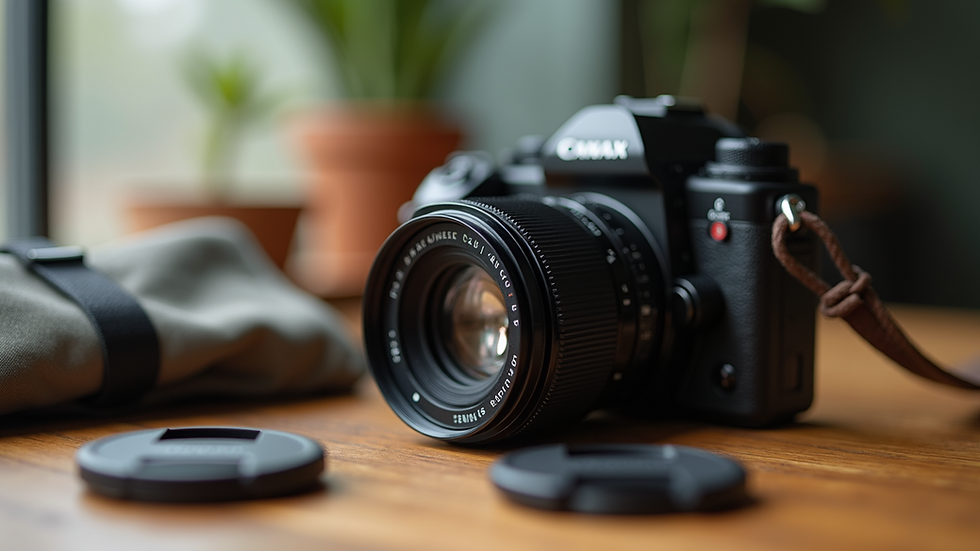
Your choice of equipment can impact your ability to capture diverse scenes effectively. Here’s a breakdown of what to consider:
Camera Body: Mirrorless cameras are lightweight and offer excellent image quality. DSLRs provide robust performance but can be heavier.
Lenses: A zoom lens (e.g., 24-70mm) covers wide-angle to portrait focal lengths. A prime lens (e.g., 35mm or 50mm) offers sharpness and low-light capability.
Tripod: Essential for low-light, night, or long exposure shots.
Filters: Polarising filters reduce glare and enhance skies; ND filters allow for creative long exposures.
Accessories: Extra batteries, memory cards, and a protective camera bag are must-haves.
Choosing gear that suits your travel style and photography goals will help you stay flexible and ready for any shot.
Tips for Capturing Authentic Moments and Local Culture
One of the most rewarding aspects of travel photography is documenting the people and culture of the places you visit. Here are some tips to capture authentic moments respectfully:
Build Rapport: Smile and engage with locals before taking photos. This often leads to more natural expressions.
Use a Longer Lens: A telephoto lens allows you to capture candid moments from a distance without intruding.
Focus on Details: Hands at work, traditional clothing, or local crafts tell stories beyond faces.
Respect Privacy: Always ask permission when photographing individuals, especially in sensitive contexts.
Be Patient: Wait for the right moment when the scene naturally unfolds.
These approaches help you create images that are not only beautiful but also meaningful and respectful.
Post-Processing Tips to Enhance Your Travel Photos
Editing is a crucial step in bringing out the best in your travel photos. Here are some practical post-processing tips:
Adjust Exposure and Contrast: Correct brightness and add contrast to make your images pop.
Enhance Colours: Boost saturation and vibrance carefully to maintain natural tones.
Crop for Impact: Refine composition by cropping out distractions.
Sharpen Details: Apply sharpening to enhance textures without overdoing it.
Remove Unwanted Elements: Use cloning or healing tools to clean up minor distractions.
Popular editing software includes Adobe Lightroom and Photoshop, but many mobile apps also offer powerful tools for quick edits on the go.
Explore Rural Places for Unique Travel Photography Opportunities
For those looking to capture something different, rural places offer a wealth of unique subjects and scenes. From rustic farmhouses to sweeping fields and quiet villages, these locations provide a peaceful backdrop for stunning photography. Exploring rural places can inspire creativity and help you develop a distinctive style.
By focusing on natural light, local life, and landscape details, you can create images that stand out from typical tourist shots.
Mastering travel photography tips takes practice and patience, but the rewards are incredible. With the right techniques, equipment, and mindset, you can capture the spirit of your journeys and create lasting memories through your lens. Keep exploring, experimenting, and most importantly, enjoying the art of photography wherever your travels take you.


Comments